In the current era of rapid popularization of automated packaging production lines, unordered material sorting machines, as flexible sorting equipment, can automatically break up, align, and sequence scattered materials with inconsistent postures, addressing industry pain points such as disordered incoming materials and low manual sorting efficiency. With advantages such as strong adaptability, stable operation, and compatibility with downstream cartoning equipment, unordered material sorting machines have penetrated many physical manufacturing industries and become important equipment for many enterprises to achieve packaging automation upgrades.
The large health food industry is an important application area for unordered material sorting machines. Products such as probiotic powder stick packs, dietary fiber powder stick packs, meal replacement stick packs, and herbal granule stick packs have light, thin, and soft pouches that are prone to stacking and sticking, and their incoming postures are disordered. Unordered material sorting machines use a flexible material sorting structure that does not squeeze or damage soft pouches. Combined with food-grade stainless steel, they meet food production cleanliness requirements. They complete the sorting and counting of stick packs and connect to cartoning processes, effectively replacing manual material sorting, reducing quality problems such as bag breakage, underfilling, and overfilling, and adapting to the large-volume production needs of large health products.
The pharmaceutical and healthcare industry also uses unordered material sorting machines extensively. Materials such as medicine blister cards, medicine pouches, blister packs, and small external-use medicine packets often appear upside down or stacked in disorder. Pharmaceutical production has strict requirements for cleanliness and counting accuracy. Unordered material sorting machines can achieve unordered feeding, automatically correct material postures, and accurately count and sort materials. They reduce manual contact with materials and lower the risk of cross-contamination, helping pharmaceutical companies standardize packaging processes and comply with GMP production standards for medicines and health products.
The daily personal care and cleaning industry is also a major application scenario for unordered material sorting machines. Products such as facial mask pouches, sample pouches, trial-size personal care packs, small wet wipe packs, and individual fragrance sachets have soft packaging pouches and light, thin shapes, making manual material sorting time-consuming and labor-intensive. Unordered material sorting machines can handle various soft pouch materials, arrange scattered small packs into a uniform orientation, and convey them to cartoning machines. They adapt to the flexible production of daily chemical companies with multiple specifications and categories, helping enterprises reduce labor costs and improve the operating efficiency of packaging lines.
The hardware accessories industry also uses unordered material sorting machines. Small components such as small screws, washers, small fasteners, and small plastic parts arrive in disorder. Through vibration and intelligent sorting structures, the equipment arranges scattered workpieces in an orderly manner and completes directional conveying, preparing for subsequent cartoning and bagging processes and solving the difficulties of high labor intensity and counting errors in manual sorting of small parts.
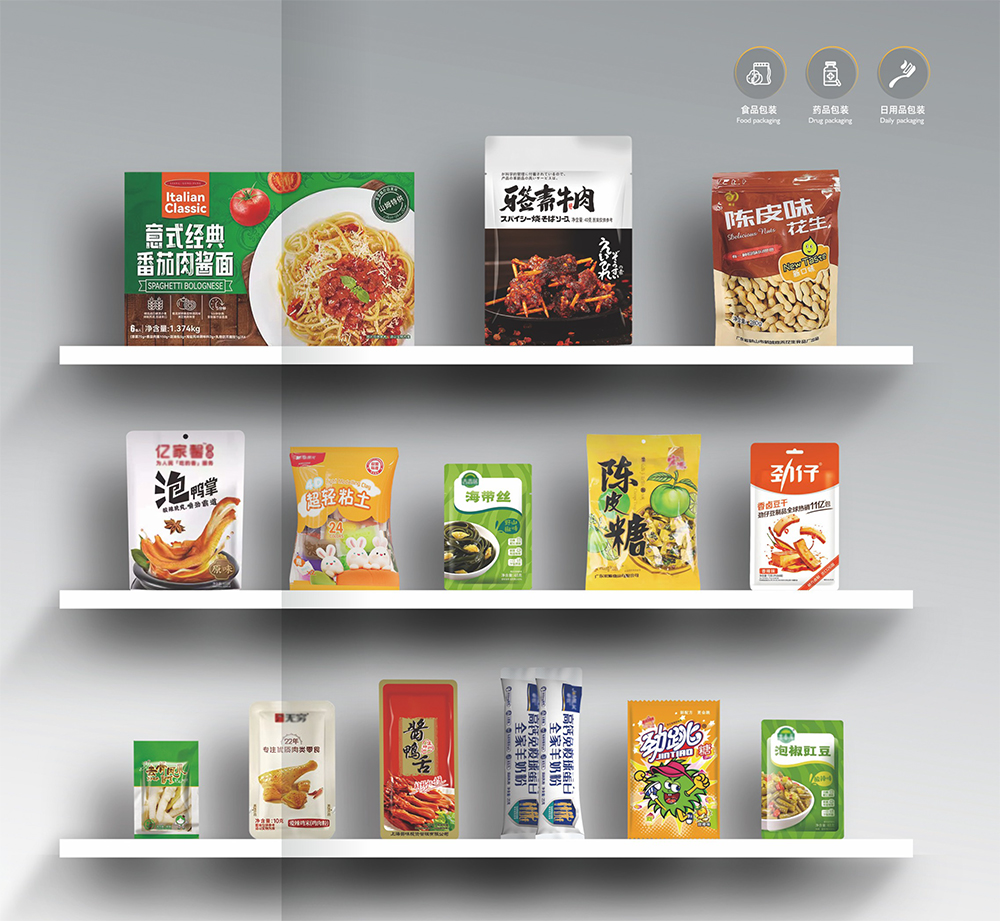
In addition, individual snack packs and candy bags in the snack food industry, as well as small cards and sticker packs in the cultural and creative industry, can also use unordered material sorting machines to complete material sorting operations.
Overall, as long as there are production scenarios with scattered small packages and small parts that require automatic sequencing and sorting, unordered material sorting machines can provide value. As automation upgrades continue to advance across industries, unordered material sorting machines, with their flexible adaptability, continue to expand their application boundaries, helping industries reduce costs and improve efficiency and driving the packaging stage toward intelligent and standardized development.




 中文版
中文版







 Location: