Unordered material sorting machines are widely used in industries such as food, pharmaceuticals, and pet food. They are mainly used for breaking up, aligning, and orderly conveying soft pouch and stick pack materials. During long-term continuous production, the equipment is prone to faults such as material jamming, uneven sorting, inaccurate counting, and material damage. Mastering common fault symptoms and the corresponding troubleshooting and solutions can reduce downtime, ensure stable production line operation, and improve production efficiency.
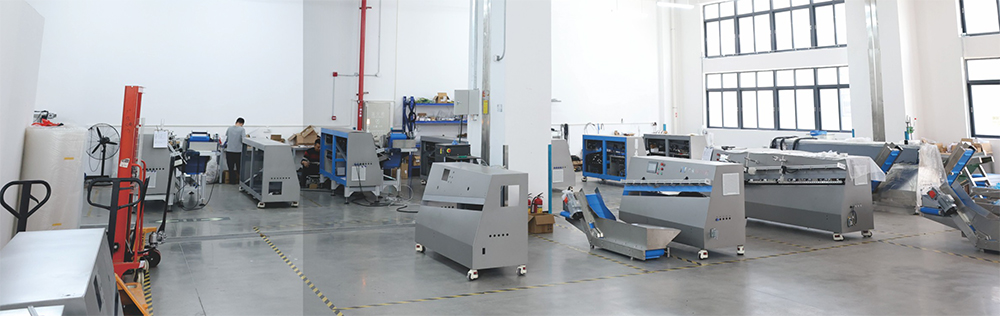
Fault 1: Material jamming and blockage, with material piling up in the sorting hopper and failing to discharge.
The main causes of this problem are material sticking, excessive material in the hopper, and improper equipment gap adjustment. Some soft pouch products have static electricity on their surfaces, causing the pouches to attract and stack on one another. If too much material is poured in at one time, the material can be squeezed and jammed. When jamming occurs, first stop the machine and cut off the power, then clear the accumulated material in the hopper. Control the feeding amount to avoid adding a large amount of material at once. For static electricity-related sticking, a static eliminator can be installed. Adjust the gap of the sorting mechanism according to the thickness of the material pouches to ensure that materials can pass through smoothly and prevent squeezing and jamming.
Fault 2: Disorderly sorting posture, with materials upside down or facing inconsistent directions, making it impossible to feed them neatly into the cartoning machine.
This phenomenon is mostly caused by mismatched sorting roller speeds and misaligned guide mechanisms. Excessive roller speed can cause materials to flip, and a shifted guide baffle can change the material's traveling posture. To address it, stop the machine and check whether the guide baffle has moved, then recalibrate its position. Finely adjust the sorting roller speed to match the material conveying speed. If the pouch stiffness varies greatly, appropriately replace flexible accessories to optimize the material correction effect.
Fault 3: Inaccurate counting, including overcounting and undercounting, resulting in quantity deviations during cartoning.
Counting faults generally originate from photoelectric detection sensor issues. Dust and material debris on the sensor surface can cause misidentification. If the sensor is misaligned and not aimed at the position where materials pass, counting errors can also occur. Solution: stop the machine and clean the sensor probe to remove dust and impurities; recalibrate the sensor installation position to ensure stable sensing when materials pass. At the same time, check the equipment parameter settings and verify the counting threshold to avoid counting abnormalities caused by incorrect parameters.
Fault 4: Material damage and pouch scratches, with soft pouches breaking and leaking material.
The main causes are sharp edges and corners on sorting components, excessive conveying speed, or friction and squeezing between materials. It is necessary to inspect the parts that come into contact with materials and polish burrs and sharp corners. Appropriately reduce the conveying speed and increase the spacing between materials. Replace flexible rubber strip accessories to reduce friction and collision between hard components and packaging pouches, lowering the damage rate.
Fault 5: Excessive vibration and obvious abnormal noise during equipment operation.
This is mostly caused by loose fasteners and worn transmission components. Regularly check all connecting screws and tighten loose parts. Inspect drive belts and gears for wear and replace worn parts in a timely manner. Perform daily lubrication and maintenance of the equipment to avoid abnormal noise caused by dry friction.
To reduce faults, daily maintenance is essential. After production ends, promptly clean residual materials in the hopper and conveying channels. Regularly inspect sensors, rollers, and guide components. Ensure proper equipment lubrication and adjust equipment parameters in a timely manner according to material specifications. Effective preventive maintenance can significantly reduce the fault rate and keep unordered material sorting machines operating stably and efficiently.




 中文版
中文版







 Location: